Santa Costume: A Display Font with Soft, Unique Charm
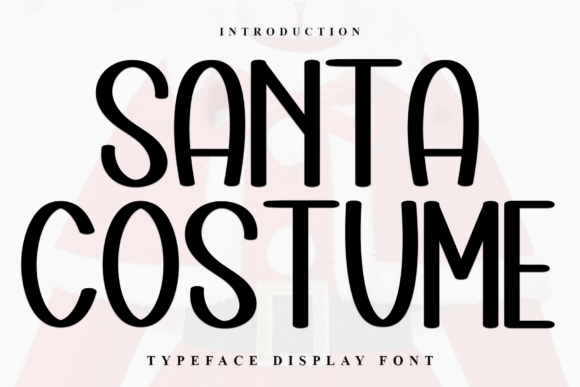
Every marketer knows that typography can make or break a campaign visual. When scrolling through an Instagram feed or scanning a YouTube thumbnail, a font does more than deliver a message — it sets a mood, builds recognition, and silently convinces someone to stop. Santa Costume is one of those rare typefaces that brings instant personality to a design without sacrificing clarity. It’s a display font with a soft, distinctive touch, crafted to feel both whimsical and intentional. As a content creator who lives inside design tools and asset libraries, I see it as a go-to choice when a project needs warmth, character, and a dash of festive storytelling.
What stands out immediately is the stroke work. The letterforms have a gentle, almost hand-rendered quality — curved terminals, subtle weight shifts, and a rhythm that feels handwritten yet polished. This isn’t a rigid geometric sans serif font or a sterile corporate face. Instead, it lands somewhere between a playful script font and a decorative serif font, making it incredibly adaptable for headlines, callouts, and short bursts of text where emotion matters more than paragraphs of information. The softness gives it a friendly, approachable energy that can humanize a brand during seasonal pushes or bring levity to a product launch.
Where Santa Costume Shines in Digital Campaigns
As a display font, Santa Costume is built for big statements. It thrives in spaces where you have seconds to capture attention. Think about the last time you designed an Instagram story ad or a Pinterest pin. The headline font needed to do heavy lifting — calling out a sale, teasing a new collection, or anchoring a quote. This is exactly where Santa Costume can elevate a design from generic to scroll-stopping. I’ve tested similar creative fonts in A/B tests, and a unique typeface often lifts engagement simply because it breaks the visual monotony of platform-default fonts.
- Instagram and TikTok Reels covers feel more curated with a custom-looking title.
- YouTube thumbnails gain a storybook quality that stands out against high-contrast, bold text.
- Email headers for holiday promotions become instantly recognizable in a crowded inbox.
- Website hero banners and landing page headers benefit from a memorable, warm focal point.
What makes Santa Costume particularly effective is its balance between distinctiveness and readability. Many decorative fonts sacrifice one for the other, but the unique strokes here maintain enough clarity for quick scanning. When I design for mobile-first audiences, I pay close attention to how letter spacing and weight hold up on smaller screens. Santa Costume’s soft contours avoid the overly thin hairlines that get lost in low-resolution previews, which is a huge plus for social media graphics where thumbnails are often viewed at tiny sizes.
Building Visual Hierarchy and Brand Recognition
Strong marketing visuals rely on a clear hierarchy. You need a hero element that grabs the eye, a supporting type that guides the reader, and maybe a decorative accent that seals the mood. Santa Costume works beautifully as the hero piece. I often pair it with a clean, modern sans serif font for body copy or captions — something like an open-source geometric sans that anchors the design with neutrality while the headline brings the flavor. For an editorial twist, a classic serif font can create a charming juxtaposition, especially for packaging design mockups or boutique brand campaigns.
When you use a distinct typeface consistently across a campaign series, you’re building a subtle but powerful brand asset. Even without a logo present, the unique lettering starts to signal your content. I’ve seen small businesses adopt a single display font for all seasonal promotion graphics — from digital ads to merch tags — and the visual consistency becomes a shortcut to recognition. Santa Costume’s soft, unique charm gives it that potential. It doesn’t look like every other holiday script, so it can help your brand identity feel more original.
First Impressions and Emotional Engagement
Audiences make split-second judgments about a brand’s personality based on visual cues. A handwritten font feels personal; a soft, bouncy rhythm feels joyful. Those impressions directly impact trust and click-through rates. For a product launch that wants to feel approachable and celebratory, or a seasonal event that relies on nostalgia, Santa Costume adds an emotional subtext that a standard sans could never match. It’s the difference between an ad that says “Sale 20% Off” and one that feels like a warm invitation.
This is particularly useful for content series, inspirational quote graphics, and webinar banners where you’re trying to build community. The font’s gentle character softens a promotional ask and makes the copy feel more like a suggestion than a command. I’ve used similar styles in digital templates for coaches and educators, and they consistently report that their audience responds more warmly to visuals that feel handcrafted.
Practical Examples for Real-World Content
Let’s ground this in some typical content creator or marketer scenarios. You’re designing a set of Instagram graphics for a winter product teaser. You drop “Coming Soon” in Santa Costume across a soft-focus background, using a muted cream or rose gold color. Below it, you place the date in a clean sans serif all-caps. The contrast is elegant, and the font instantly communicates a cozy, exclusive vibe. No additional illustration needed.
Maybe you’re launching a limited-time offer for an online shop. You create a hero image for the homepage and a matching Facebook ad. The headline “Holiday Collection Drops Now” sits in Santa Costume, scaled large and centered. The font’s unique strokes become the decorative element itself, allowing you to keep the rest of the layout minimal. This works especially well for ads that need to feel native and not overly corporate.
Another scenario: a YouTube content series banner with a festive theme. You use Santa Costume for the series title, layered over lifestyle photography. The font’s softness complements the imagery without competing, and when you shrink it down for a thumbnail, the essential character remains readable. I also appreciate it for branded templates that get reused across clients — a font that can handle multiple holidays or cozy lifestyle content without looking too specific to one month of the year. That versatility makes it a smarter long-term asset.
When to Use Santa Costume — and When to Restrain It
This is a display font, so its superpower is short-form impact. It’s ideal for headlines, titles, logo marks, decorative accents, and callouts. You wouldn’t set a long product description or an entire email body in it; the soft curves work best in controlled doses. I typically reserve it for the top-tier hierarchy element — the one thing I absolutely want people to read first. In an email, that’s the hero image overlay text. On a landing page, it’s the main headline. In a social graphic, it could be the single power word like “Free” or “New” that anchors the visual.
Readability on fast-scrolling feeds is top of mind. I always test a font at 100x100 pixel thumbnail size to see if the key letters hold their shape. Santa Costume’s letterforms have enough internal space and a moderate x-height that they don’t collapse into a blob, which is common with overly ornate script fonts. Still, I’d keep word counts low and line breaks intentional when designing for mobile previews. A three-to-four-word phrase in Santa Costume can be a delight; a full sentence might slow scanning.
Font Pairing and Long-Term Asset Building
Versatile modern typography relies heavily on smart pairing. With Santa Costume, I often reach for a geometrical sans serif font with even stroke weights — something like a humanist sans that softens a bit but stays neutral — or a sturdy grotesque that adds a bit of structure. For brands with a more heritage feel, pairing it with a delicate serif font for taglines creates an editorial, packaging design vibe that’s perfect for beauty, handmade goods, or food content.
When building a library of design assets, I look for typefaces that can serve multiple campaign types over months or years. A purely Christmas-specific font would sit unused most of the year, but Santa Costume’s soft character extends beyond one holiday. It can work for baby showers, spring teasers, heartfelt thank-you graphics, or any gentle brand moment that calls for a touch of personality. I consider it a premium font investment for creative toolkits, especially for designers who create templates or reusable brand identity kits.
Licensing and Commercial Use Considerations
A practical note that every marketing professional should remember: before using Santa Costume in client campaigns, paid ads, merchandise, or digital templates you intend to sell, review the commercial font license. Many beautiful typefaces come with restrictions on embed sizes, template distribution, or use in physical products. Checking the end-user license agreement ensures you can use the font confidently across social media graphics, website designs, and promotional materials without running into legal trouble. It’s a quick step that protects both your creative work and your brand reputation.
Overall, Santa Costume fills a niche that many creative professionals are always hunting for — a display font that feels personal, carries emotional weight, and still performs under the ruthless speed of digital platforms. It’s not just a pretty typeface; it’s a communication tool that can shape how audiences feel the moment they see your campaign. Whether you’re designing a one-off sale announcement, building a full seasonal visual system, or adding a signature touch to your logo design experiments, this font offers the kind of soft-spoken distinctiveness that sticks in the mind long after the scroll.
When your goal is to stop the scroll, spark a feeling, and build recognition without shouting, the right typeface becomes your silent partner. Santa Costume brings a gentle confidence to the table — the kind that turns a simple headline into a memorable brand moment.